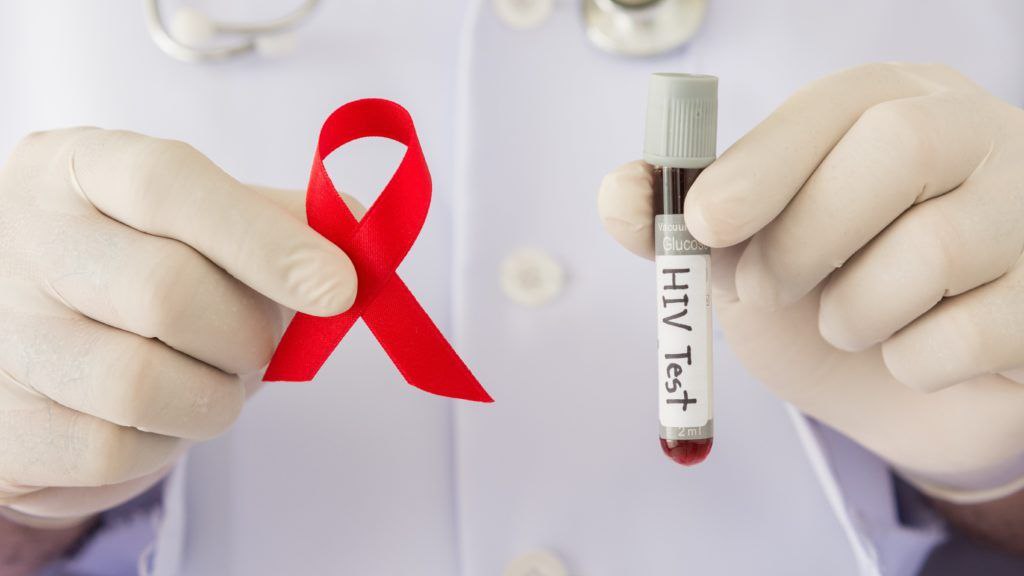
📊 According to the World Health Organization, there are currently about 40 million people living with HIV infection worldwide. Every year, the number of patients increases by almost 1.5 million. Most regrettably, the disease claims the lives of over 600,000 people annually.
📌 Certainly, these figures clearly confirm that HIV poses a serious threat to human life.
📆 To combat this global problem collectively, December 1 is observed worldwide as World AIDS Day each year.
🔎 Uzbekistan has made significant progress in this area in recent years. This progress is of great importance in achieving the globally recognized “95-95-95” strategic goals of the UN Joint Programme on HIV and AIDS.
📈 For instance, currently in our country, 87% of people living with HIV are aware of their status, and the coverage of patients with antiretroviral treatments has reached 89%.
📲 As a result of digitalization in the field, accuracy has been achieved in assigning benefits to HIV-infected children under 18, HIV testing of pregnant women, couples intending to marry, and various population groups, medical monitoring of patients, foreign travel, donation, and birth data, thus eliminating unnecessary complications.
📍 Patients, regardless of their location in the republic, now have access to unlimited medical services and treatments. Measures are being taken to prevent interruptions in medication intake.
🔎 To prevent HIV transmission to children born to mothers living with this infection, the coverage of HIV testing for pregnant women has been increased to 100%.
💊 HIV-positive expectant mothers and their newborns are provided with antiretroviral medications, and infants are supplied with dry milk formulas until they reach six months of age.
💻 As a result of digitizing district laboratory activities, all HIV screening results are now reflected in the electronic system.
🔬 This year, relevant examinations were conducted among more than 5 million people to ensure that 95 percent of individuals infected with HIV know their status.
!!️ Undoubtedly, all of these efforts are crucial for preventing this dangerous disease in the future, identifying it at an early stage, and providing effective treatment.